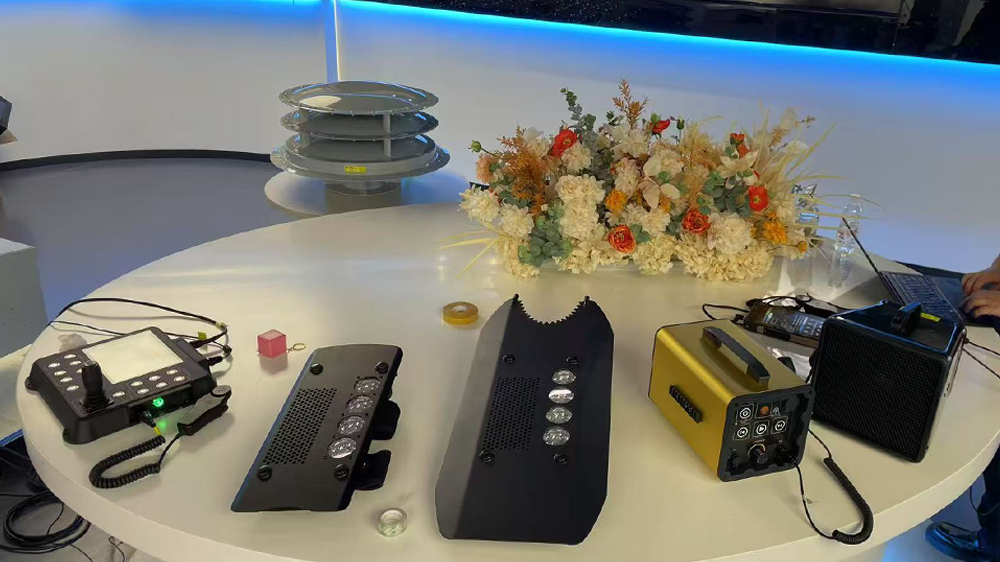
ב-2025 Milipol Paris (תערוכת הביטחון הפנים וההגנה האזרחית הבינלאומית), חברת Ribri מסין השיקה רשמית את הרובוט הכדורי RB21H, שתוכנן במיוחד למשימות דריסה עירוניות. כלי הקרקע ללא נהג (UGV) הקטן הזה משתמש בטכנולוגיית אקוסטיקה מתקדמת כלב ליבה, ועושה פריצת דרך במעבר מחסימת תקשורת בסביבות רועשות, ובכך מציע פתרון חדש לפעולציות דריסה מודרניות. צעד זה מסמן שהשימוש במערכות לא מאוישות בתחום הביטחון עובר מעזר סיוע פשוט בסיור לרפידות מבצעי קבועות וממויינות, והופך לפלטפורמה המניעה נתונים בזמן אמת המשתייכת עם יחידות קרקע.
היתרון התחרותי המרכזי של הרובוט הכروי RB21H נמצא במודול שמע מובנה עם רמת לחץ שמע גבוהה (SPL), אשר מהווה גם ליבה של העיצוב של המערכת. בתרחומי ביטחון עירוניים, רעשים רקעים מתמשכים כמו רעמת מנועים, הומה של קהלים וצלצלי אזהרה לעתים קרובות מסתירים העברת מידע חשוב, בעוד ש loudspeakers טרדייציוניים לעתים קרובות מתקשים להבטיח בהירות שמע בסביבות אלו. המודול האקוסטי המקצועי המותקן על גבי RB21H פותר בדיוק בעיה זו. אזור השמע בקדמת גופתו הכروית מותאם במיוחד כדי להשיג פליטת שמע מכוונת, ומבטיח שהוראות קוליות ומידע אזהרה ישארו ברורים ומאושמעים גם בסביבות רעשות מורכבות. בנ contrario לרובוטים כלליים בשוק שממוקדים בחישה חזותית או محمנות רב משימה, RB21H ממקד את עצמו באופטימיזציה קיצונית של ביצועי תקשורת אקוסטית, הופך למכשיר מיועד בתחום התקשורת הביטחונית.
במונחים של פרמטרי ביצועים מרכזיים, ה-RB21H מציג עוצמה מאוזנת המשלבת תקשורת חזקה וניידות גמישה. רמת לחץ הקול המרבית של הרובוט מצליחה לשני 142 דציבל, ורמת לחץ הקול המתמשך היא שני 134 דציבל. תצורה זו אומרת שברובוט יש שני ערוצים אקוסטיים עצמאיים ובאיכות גבוהה, המסוגלים לא רק להשיג פליטת קול בעוצמה גבוהה לתקופות קצרות, אלא גם לתמוך שידור שמע יציב לאורך זמן, ומספקים מענה מלא לצרכים תקשורתיים של סיטואציות דрог שונות. האפשרות הכפולה הזו של ביצועים מרביים ורציפים מאפשרת למשתמשים לפרוס את המערכת באופן גמיש בהתאם למחזור המשימה בפועל. בין אם מדובר באזהרות חירום בסיטואציות חריגות או בשידור מידע מתמשך במהלך דריגים רגילים, המערכת שומרת על ביצועים אקוסטיים מהימנים.
במונחי ניידות, RB21H מפגין גם כן ביצועים מרשים. המהירות המקסימלית שלו יכולה להגיע ל-34 קילומטרים לשעה, מה שמהיר יחסית בין מערכות לא מאוישות על הקרקע באותו הגודל. זה מאפשר לרובוט לנוע במהירות ובקיצור בין אזורים מרכזיים רבים במהלך סיורים, ובכך משפר משמעותית את יעילות השטח הנכסה וכן את מהירות התגובה למקרי חירום. המשקל של הרובוט הוא 180 ק"ג (בערך 397 פאונד). המבנה החזק של הגוף מספק לא רק הגנה יציבה למודול האקוסטי המרכזי ולמערכת הנע, ומבטיח את יציבות הציוד במהלך התנועה והשידור, אלא גם מבטיח את עמידותו בטerrains עירוניים מורכבים. העיצוב המותאם של פרמטרי הניידות והמשקל учитыва את נוחות ההובלה בה triển deployed בפועל ואת האמינות במהלך הפעולה, ומאפשר ל-RB21H להתמזג באופן חלק לתוך תכניות שונות של תחבורה וنشر אבטחה.
בתרחישי יישום פרקטיים, ערך הרובוט RB21H התגלה במלואו. הוא מאפשר לאנשי אבטחה להשיג אזהרות קוליות יעילות והעברת מידע ממרחק בטוח מסיכונים פוטנציאליים או מקורות של כאוס. בין אם מדובר בהנפקת הוראות לאנשים ספציפיים או בהנחיות בטיחות לקבוצות, ניתן להשיג תקשורת ברורה באמצעות מערכת הקול בעלת רמת לחץ הקול הגבוהה. במקביל, הרובוט תומך בפונקציות תקשורת מרחוק במהלך סיורים, ומשמש כצומת העברה שמעית בין המפעילים לאנשים באזור הסיור. באזורים שבהם אנשים אינם יכולים להגיע ישירות (כגון אזורי סיכון או אזורי גישה מוגבלת) או בתרחישים עם משאבים מוגבלים, הוא יוצר גשר תקשורת מהימן. הדרך הזו של תקשורת "ללא מגע" מבטיחה לא רק את הבטיחות האופרטיבית של אנשי האבטחה, אלא גם משפרת את יעילות הטיפול במשימות סיור, מה שהופך אותה למתאימה במיוחד לתרחישי אבטחה עם צפיפות גבוהה של אנשים או סביבות מורכבות, כגון רחובות עירוניים, אולמות גדולים וצמתי תחבורה.
עם התרחבות השימוש בטכנולוגיה לא מאוישת בתחום הביטחון, טיסים בלתי מאויישים הפכו לכלי חשוב לשיפור יעילות השיטור, הודות ליתרונותיהם של פריסה מהירה, כיסוי שטח רחב ומעקב בזמן אמת באמצעות צילום חזותי וחום. הם יכולים להגיע לזירת האירוע תוך דקות, לצלם אזורי חצייה שלא מכוסים על ידי מצלמות קבועות או כלי רכב מנקודת מבט בגובה נמוך, לספק למפעילים תובנות מדויקות על הסביבה, לסייע בהתאמת מסלולי שיטור, להגיב במהירות לאירועים פתאומיים ולצמצם את חשיפת האנשים בסיטואציות מסוכנות. שיגור הרובוט הכדורי RB21H מגביר עוד יותר את ממדי היישום של מערכת הביטחון הלא מאוישת. על ידי התמקדות בדרישה הליבה של תקשורת קולית, הוא יוצר השלמה פונקציונלית עם טיסים בלתי מאויישים שממוקדים במעקב חזותי, ומבני רשת תקשורת תלת-ממדית של "שיתוף פעולה בין האוויר לקרקע".
בяרבה הציגה ריברי מסין בפרטים מדדי תפוקה אקוסטית וניידות, מה שמאפשר למשתמשים ולשותפים פוטנציאליים להעריך בבירור את התאימותו של ה-RB21H למערכות השיטור והציוד הקיימים. פלטפורמה משולבת זו, המשלבת עיצוב גוף כדורי, מודול אקוסטי ברמת לחץ קול גבוהה, מהירות של 34 קמ"ש וגוף יציב של 180 ק"ג, אינה התקן רב תכליתי המורכב ממודולים, אלא מעוצבת במיוחד לצורך שידור קולי מהימן וצורך בתקשורת מרחוק בשיטור ביטחוני. הופעת הבכורה של ה-RB21H לא רק מציגה את עוצמת ההנדסה והחדשנות של יצרנים סיניים בתחום מערכות קרקע אוטונומיות, אלא גם מספקת פתרון חדש יעיל ובטוח לפעולות ביטחוניות התלויות בשידור שמע ברור ורציף. צפוי כי הוא ישמש תפקיד חשוב בעתיד באבטחת ערים, אבטחת אירועים גדולים ושדות אחרים.