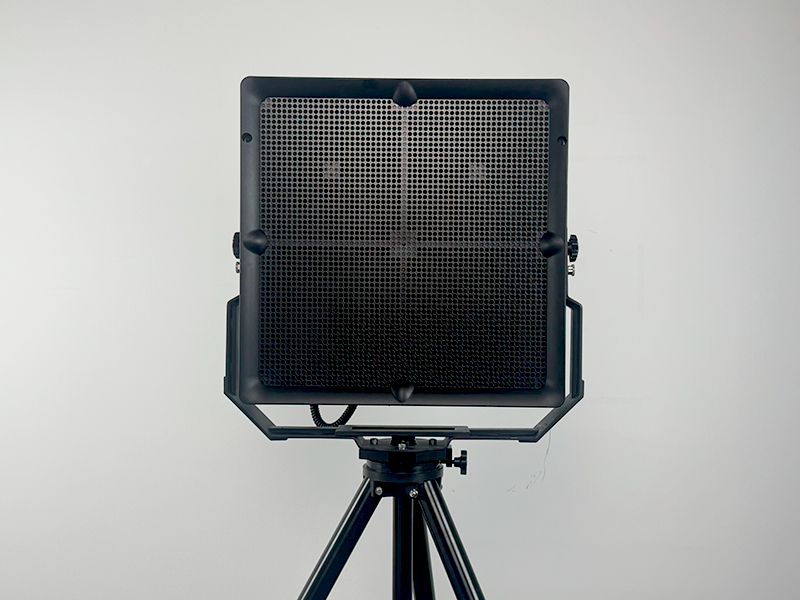
Kuşların uçaklara çarpması, küresel havacılık sektörünün karşı karşıya olduğu sürekli bir güvenlik sorunudur. İstatistiklere göre, kuş-uyak çarpışmaları her yıl dünya genelinde yaklaşık 1.000 uçuş gecikmesine neden olmakta ve ekonomik kayıplar 1 milyar ABD dolarını aşmaktadır. 2018 yılında New York'taki John F. Kennedy Havalimanı, kuş müdahalesi nedeniyle 37 uçuşun yönünün değiştirilmesini yaşadı ve bu da etkili kuş kovucu teknolojiye olan acil ihtiyacın altını çizdi. Geleneksel kuş kovma yöntemleri, örneğin elle kovalama kovmak ve kuş ağları, sınırlı kapsama alanı ve kısa vadeli etki gibi kısıtlamalara sahiptir. Bununla birlikte akustik cihazlar, ses teknolojisi özelliklerine dayanarak havalimanı kuş kontrolü için önemli bir çözüm haline gelmiştir. Bu makale, kuş kovma prensipleri, gerçek etkileri, temel avantajları ve iyileştirme yönleri gibi boyutlardan hareketle akustik cihazların havalimanı kuş kontrolündeki rolünü kapsamlı olarak analiz edecektir.
Kuş Korkutma Akustik Cihazların Prensibi: Kuş Fizyolojik Özelliklerine Dayalı Bilimsel Müdahale
Kuş korkutmak için kullanılan akustik cihazların temel mantığı, havaalanı bölgelerindeki kuşların konaklama ve beslenme kalıplarını zararsız akustik sinyaller aracılığıyla bozarak kuşların işitsel algısına ve davranış alışkanlıklarına tam olarak uymasını sağlamaktır. Kuşların işitsel sistemleri özellikle 200 Hz - 20 kHz frekans aralığındaki ses dalgılarına karşı duyarlıdır ve farklı kuş türlerinin ses tolerans eşiğinde farklılıklar vardır. Akustik cihazlar bu özelliği hedefe yönelik kovmayı gerçekleştirmek için kullanır.
Teknik açıdan bakıldığında akustik cihazlar esas olarak iki şekilde çalışır: birincisi düzensiz yüksek frekanslı ses dalgaları yayarlar. Örneğin, yönlendirilmiş akustik cihazlar ±15°'lik bir açı içinde enerjiyi odaklayabilir ve yüksek şiddette, düzensiz ses dalgalarıyla kuşlarda sinirlilik ve korku gibi stres tepkileri oluşturarak onların havaalanının kritik bölgelerinden uzaklaşmalarını aktif şekilde sağlamalarını sağlar; ikincisi doğal uyarı sinyallerini taklit eder. Bazı cihazlar yırtıcı kuş çağrıları ve aynı türe ait bireylerin sıkıntı sesleri gibi doğadaki düşmanlara ilişkin sesleri çalabilir ve kuşların içgüdüsel riskten kaçınma bilincinden yararlanarak koşullu refleksler oluşturarak uzun süre havaalanı çevresinde kalmalarını engeller.
Kimyasal kuş kovucular ve kuş ağlarına karşı, akustik kuş kovucu fiziksel temas ya da kimyasal müdahale gerektirmez, sadece akustik sinyaller aracılığıyla kuşların işitsel sistemlerine etki eder. Kuşlara önemli bir zarar vermez ve havaalanı topraklarını ya da su kaynaklarını kirletmez, 'yeşil havaalanları' için öngörülen ekolojik koruma gerekliliklerine tamamen uyar.
Akustik Cihazların Gerçek Kuş Kovma Etkileri: Geleneksel Önleme ve Kontrol Zorluklarına Çok Boyutlu Çözümler
Gerçek havaalanı operasyon senaryolarında, akustik cihazlar teknik uyum ve senaryo optimizasyonu sayesinde geleneksel kuş kovma yöntemlerinin eksikliklerini etkili bir şekilde gidermiştir ve kapsama alanı, sürekli etkinlik ve operasyonel uyumluluk açısından üstün performans göstererek havaalanı kuş önleme ve kontrol sisteminin temel bileşeni haline gelmiştir.
Geniş Kapsama Alanıyla Önleme ve Kontrol Kör Noktalarının Azaltılması
Pistler ve apronlar gibi temel havaalanı alanları büyük bir alanı kapsar ve geleneksel manuel sürüş bu alanlara tam olarak ulaşmayı zorlaştırır. Akustik cihazlar, "yönlendirilmiş + tüm yönlerde" modunu birleştirerek bu sorunu çözebilir. Tüm yönlerde akustik cihazların etkili kapsama yarıçapı 500 metreden fazladır ve tek bir cihaz birden fazla piste giriş noktası veya apron alanını kapsayabilir; yönlendirilmiş akustik cihazların maksimum etkili menzili 2 kilometredir ve havaalanı çevresindeki kuş yaşam alanları ve beslenme alanları gibi kritik bölgelerde uzun mesafeli kesin müdahale yapılmasını sağlar, böylece kuş sürülerinin temel alana girmesini önceden engeller. Bu "kapsamlı kapsama + kritik müdahale" yöntemi, koruma ve kontrol kör noktalarını büyük ölçüde azaltır ve kuşların pistlere girmesi olasılığını düşürür.
Kuş Uyumunu Önlemek için Dinamik Frekans Ayarı
Geleneksel sabit frekanslı kuş kovucu cihazlar, kuşların adapte olmasına yatkındır ve genellikle etkileri 1 hafta sonra önemli ölçüde azalır. Modern akustik cihazlar, dinamik frekans ayarlama teknolojisi sayesinde ses dalgası modlarını ve frekans bantlarını gerçek zamanlı olarak değiştirebilir. Örneğin, bazı cihazlarda farklı frekanslarda 20'den fazla ses dalgası sinyali bulunur ve havaalanı çevresindeki kuş türlerindeki değişikliklere göre (göçmen ve göçmen olmayan mevsimler arasındaki farklar gibi) otomatik olarak çalma içeriğini ayarlayabilir, böylece kuşların sabit bir algı oluşturmasını engeller. Deneysel veriler, dinamik frekans ayarlama kullanan akustik cihazların 6 aydan fazla süreyle sürekli kuş kovucu etki sağlayabildiğini göstermektedir ve bu durum geleneksel sabit frekanslı cihazlardan çok daha üstündür.
Havaalanı operasyonlarını aksatmadan Karmaşık Senaryolara Uyum
Havaalanı operasyon ortamları özel niteliktedir ve kuş kovucu cihazlar "yerleşim birimlerindeki sakinlere rahatsızlık vermemek ve uçuşlara müdahale etmemek" şeklindeki çift gereksinimi karşılamalıdır. Ses dalgalarının enerjisini kuşların aktif olduğu bölgelere odaklayarak, terminal binalarına, yolcu dinlenme alanlarına ve diğer bölgelere yayılmasının önüne geçerek akustik cihazlar, yolcularda gürültü oluşturmayan hassas yönlendirme tasarımı ve frekans kontrolü sayesinde bu gerekliliği yerine getirir. Aynı zamanda cihazların ses dalgası frekansları profesyonel olarak ayarlanmıştır ve uçak haberleşme ekipmanları ile navigasyon sistemlerinde elektromanyetik girişim oluşturmaz, böylece uçuşların normal kalkış ve inişlerini sağlar. Ayrıca akustik cihazlar genellikle IP65 koruma sertifikasına sahiptir ve toza karşı koruma, su geçirmezlik ve aşırı sıcaklıklara direnç (-40℃ ila 60℃) özellikleriyle şiddetli hava koşullarında -yağmurlu, kum fırtınalı ve yüksek sıcaklıklı- kararsız olmayan şekilde çalışabilirler ve kesintisiz tüm hava koşullarında önleme ve kontrol sağlamayı garanti eder.
Akustik Cihazların Temel Avantajları: Geleneksel Kuş Korkutma Yöntemlerine Göre Önemli Geliştirmeler
Elle sürme, kimyasal kuş korkutucular ve kuş ağları gibi geleneksel yöntemlere kıyasla akustik cihazlar, çevre dostu olma, ekonomiklik ve kullanım kolaylığı açısından yerini tutamaz avantajlara sahiptir ve bu nedenle havaalanı kuş kontrolü için tercih edilen çözüm haline gelmiştir.
Yeşil ve Çevre Dostu, Ekolojik ve Politik Şartları Karşılar
Kimyasal kuş kovucular, havaalanı toprağını ve su kaynaklarını kirletebilir ve yanlışlıkla hedef olmayan kuşlara zarar verebilir; kuş ağları ise kuş ölümlerine neden olmaya yatkındır ve hayvan koruma ilkelerini ihlal eder. Ancak akustik cihazlar yalnızca akustik sinyaller aracılığıyla kuşları kovar ve kimyasal kalıntıya veya fiziksel zarara neden olmaz. Bunlar yalnızca AB'nin "hedef olmayan kuşların %0,5'in altında oranında kazara yaralanma" gerekliliğini karşılamakla kalmaz, aynı zamanda güvenliği çevre korumayla dengeleyen, sürdürülebilir bir çözüm olarak küresel havacılık sektörünün ekolojik korumaya verdiği öneme de uyar.
Maliyet Azaltma ve Verimlilik Artırma, Uzun Vadeli İşletim Maliyetlerini Düşürme
Geleneksel manuel kuş kovma yöntemleri önemli ölçüde insan kaynağı gerektirir. Büyük bir havalimanı tipik olarak onlarca kuş kovma personeli istihdam etmek zorunda kalır ve bu da yıllık yüksek işçilik maliyetlerine neden olur; üstelik manuel sürüş verimsizdir ve büyük ölçekli kuş sürüleriyle başa çıkmakta yetersiz kalır. Akustik cihazlara bir kez yatırım yapıldıktan sonra, yalnızca düzenli basit bakımlar (örneğin hoparlörlerin temizlenmesi ve frekansların kalibre edilmesi) gerekecek ve uzun vadeli kararlı çalışma sağlanacaktır. Bu sayede kuş kovma için gerekli insan gücü %80 oranında azaltılabilir. Örneğin, yılda 10 milyon yolcu trafiği olan bir havalimanında akustik kuş kovma sisteminin devreye alınması, her yıl yaklaşık 3 milyon yuan işçilik maliyeti tasarrufu sağlarken aynı zamanda kuş çarpmalarından kaynaklanan uçuş gecikmesi tazminatlarını ve uçak bakım maliyetlerini de düşürür. Uzun vadede toplam maliyet, geleneksel yöntemlere göre çok daha düşüktür.
Önleme ve Kontrol Doğruluğunu Artırmak İçin Akıllı Kontrol
Modern akustik cihazlar, havaalanı entegre sistemleriyle bağlantıyı gerçekleştirmiştir. Bazı cihazlar kuş takip radarı veya makine görüşü sistemlerine bağlanabilir ve kuş sürüsü hareket verilerini gerçek zamanlı olarak yakalayarak ses dalgası parametrelerini ve kapsama alanını otomatik olarak ayarlayabilir. Örneğin, izleme sistemi belirli bir bölgede kuş sürüsünün toplandığını tespit ettiğinde, yakın bölgedeki yönlendirilmiş akustik cihazı anında tetikleyerek kovma modunu başlatabilir; aynı zamanda cihazın çalışma verileri (kuş kovma frekansı ve kuş sürüsü tepkileri gibi) arka plana gerçek zamanlı olarak iletilerek sonraki koruma önlemlerinin optimizasyonu için veri desteği sağlayabilir ve böylece "izleme - analiz - kuş kovma" adlı otomatik kapalı döngülü yönetimi gerçekleştirebilir.
Akustik Cihazların Optimizasyon Yönelimleri: Kuş Kovma Etkisini Daha Da İyileştirmek İçin Temel Önlemler
Akustik cihazların kuş kovucu etkisini maksimize etmek için ekipman seçimi, parametre ayarı ve iş birliğiyle önleme ve kontrol olmak üzere üç boyuttan sürekli iyileştirme yapılması gerekmektedir. Bu, ekipmanın performansının önleme ve kontrol ihtiyaçlarına tam olarak uymasını sağlamak amacıyla gerçek havaalanı senaryolarına ve kuş davranışlarındaki değişikliklere göre yapılmalıdır.
Kuş Türlerine Uyum Sağlamak İçin Bilimsel Seçim
Farklı bölgelerdeki havaalanlarının çevresinde baskın olan kuş türleri değişiklik gösterir (örneğin, kıyıdaki havaalanlarında daha çok su kuşları bulunurken, iç kesimlerdeki havaalanlarında daha çok ötücü kuşlar görülür) ve ses dalgalarına karşı duyarlı frekans bantları da farklılık arz eder. Akustik cihazlar kullanılmaya başlanmadan önce havaalanları, öncelikle bölgedeki kuş türleri üzerine bir araştırma yapmalı, ana koruma ve kontrol hedeflerinin işitsel özelliklerini belirlemeli ve çoklu frekans ayarlamasını destekleyen ve özelleştirilebilir ses dalgası modlarına sahip cihazları seçmelidir. Örneğin, su kuşları için düşük frekanslı ses dalgaları öne çıkarılabilirken, küçük ötücü kuşlar için yüksek frekanslı ses dalgalarının oranı artırılarak kuş kovucu uygulamaların hedefe yönelikliği artırılabilir.
Çevresel Faktörlerle Birlikte Dinamik Parametre Ayarı
Ses dalgası yayılımı rüzgar hızı ve sıcaklık gibi meteorolojik koşullardan etkilenir; bu nedenle ekipman parametrelerinin gerçek zamanlı çevre koşullarına göre dinamik olarak ayarlanması gerekir. Örneğin, enerji kaybını telafi etmek için rüzgarlı havalarda ses şiddeti uygun şekilde artırılabilir; yüksek sıcaklıklı ortamlarda bileşenlerin aşırı ısınmasını önlemek için ekipmanın çalışma gücü azaltılabilir. Aynı zamanda, ses dalgası yönlülüğü ve frekansının düzenli olarak kalibre edilmesi, ekipman parametrelerinin her zaman önleme ve kontrol gereksinimlerini karşılamasını sağlar ve parametre sapmalarından kaynaklanan kuş kovucu etkinin azalmasını önler.
Diğer Teknolojilerle İş Birliği Yaparak Kapsamlı Bir Önleme ve Kontrol Sistemi Oluşturma
Tek bir akustik cihaz, tüm kuş senaryolarına karşı etkili olmakta zorlanır ve diğer kuş kovucu teknolojilerle iş birliği içinde çalışmalıdır. Örneğin, akustik cihazları hareketli böcek öldürücü lambalarla birlikte kullanarak havaalanı bölgesindeki böcek sayısını (kuşların temel besin kaynağı) azaltmak, besin zincirinin kaynağında kuş toplanma riskini düşürmeye yardımcı olur; ya da akıllı kuş kovucu robotlarla eşleştirerek, bu robotların otonom navigasyon kabiliyetinden yararlanarak akustik cihazların havaalanı toprak alanları ve çim alanları gibi karmaşık arazi koşullarında esnek şekilde hareket etmesini sağlayabilir ve böylece "dinamik kuş kovma + gerçek zamanlı izleme" ikili etkisini elde edilebilir.
Bilimsel kuş kovucu prensibi, önemli somut etkileri ve çoklu çekirdek avantajları ile akustik cihazlar, geleneksel kuş kovma yöntemlerinin yetersiz kapsama, etkinlik azalması ve çevre kirliliği gibi sorunlarını etkili bir şekilde çözen, havaalanı kuş kontrolü için verimli bir çözüm haline gelmiştir. Küresel hava yolcu trafiğinin yıllık %4,5 büyüme hızı ve kuşlarla havaalanları arasındaki mesafenin giderek daralması arka planında, akustik cihazlar sürekli teknolojik optimizasyon ve akıllı yükseltmeler sayesinde sadece kuş çarpma olaylarının görülme sıklığını azaltmakla kalmaz, aynı zamanda havaalanlarının güvenli işletme ile ekolojik koruma arasında denge kurmasına yardımcı olur ve havacılık güvenliği için sağlam bir destek sağlar. Gelecekte, akustik teknoloji ile akıllı sistemlerin derin entegrasyonu ile akustik cihazların havaalanı kuş kontrolündeki uygulamaları daha da hassas ve verimli hale gelecek ve uçuşların güvenli kalkış ve inişini sağlamak için temel ekipmanlardan biri haline gelecektir.
İçindekiler
- Kuş Korkutma Akustik Cihazların Prensibi: Kuş Fizyolojik Özelliklerine Dayalı Bilimsel Müdahale
- Akustik Cihazların Gerçek Kuş Kovma Etkileri: Geleneksel Önleme ve Kontrol Zorluklarına Çok Boyutlu Çözümler
- Akustik Cihazların Temel Avantajları: Geleneksel Kuş Korkutma Yöntemlerine Göre Önemli Geliştirmeler
- Akustik Cihazların Optimizasyon Yönelimleri: Kuş Kovma Etkisini Daha Da İyileştirmek İçin Temel Önlemler